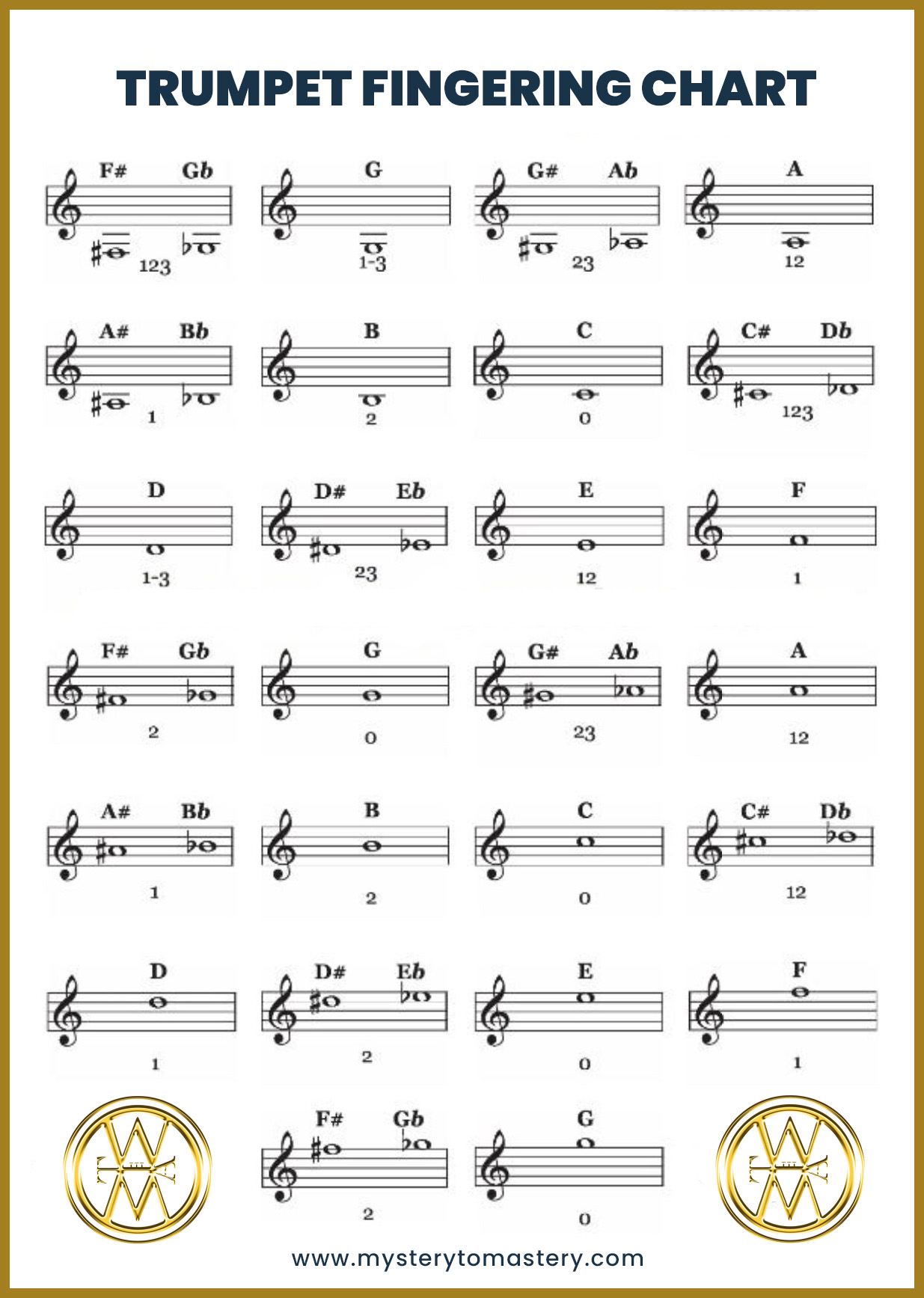
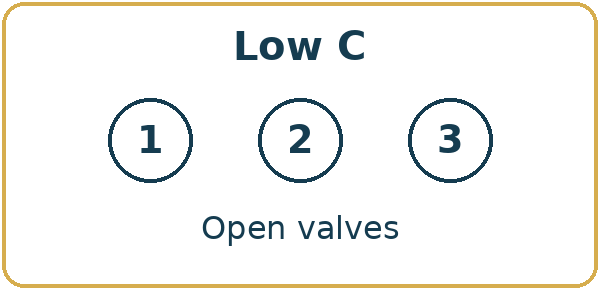
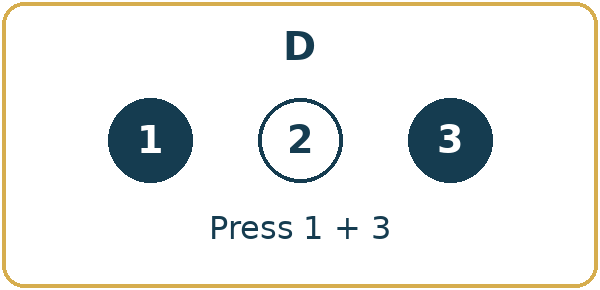
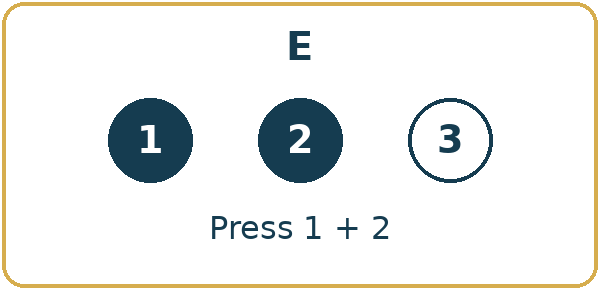
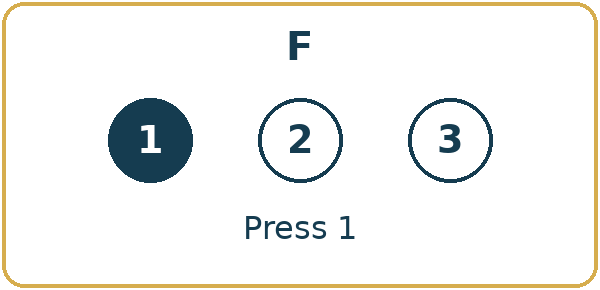
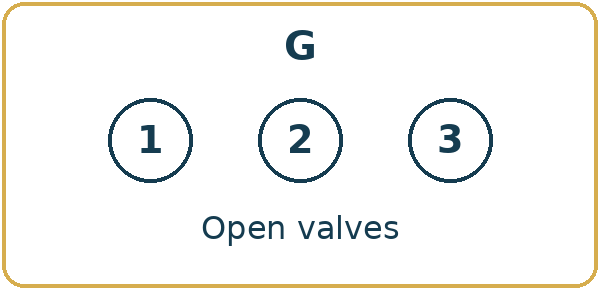
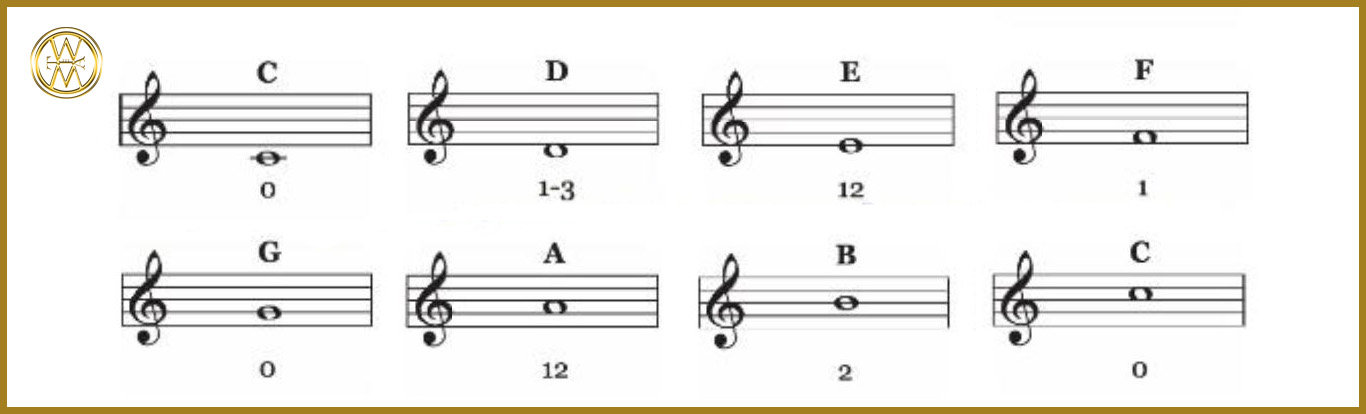
The chart helps you find the valves. Greg’s first WindWorks lessons help you explore the sound, the feeling, and a different way to learn.
If you enjoyed this little activity, you are welcome to take the next step. We will help you find your starting point.
Start My Free Lessons
Or keep exploring the free trumpet video library at your own pace.
Trumpet fingering chart questions
Can I print this trumpet fingering chart?
Yes. Open the free PDF using the download button at the top of this page, then save or print it. Use the PDF rather than a screenshot of the page so the notes stay easier to read. Choose “fit to page” in your printer settings if the edges are being cut off. No signup is needed for the chart.
Which notes should a beginner look at first?
Start by finding low C, D, E, F and G. You do not have to play the whole trumpet fingering chart in one sitting. The five-note activity above lets you explore the valve combinations quietly before trying a comfortable note. Leave the higher notes for later as your playing develops.
Why can two notes have the same valves?
Each valve combination can produce more than one pitch. That is why learning the fingerings and learning the sound of the notes go together. The C major scale example above shows C in two different octaves with the same open fingering. If your valves match but the note sounds different, a teacher can help you find your starting point.
Using your chart with sheet music
These optional answers help you connect the chart with the notes on your music. Open the question you need and leave the rest for later.
Does this chart use written notes or concert pitch?
Use the written note names in your trumpet part when looking up a fingering. On a B-flat trumpet, written C sounds as concert B-flat. This is why a trumpet player and a pianist can use different note names for the same sounding pitch. It does not mean that either player has the wrong fingering.
If you are playing with a piano, backing track or another instrument, check whether the music is labelled for B-flat trumpet or written in concert pitch. Ask your teacher which part to use before changing anything. The chart identifies valve combinations; it does not transpose a piano part for you.
Do I need to check the key signature first?
Yes. Identify the complete note name before choosing its fingering. The key signature tells you which notes are sharp or flat throughout the piece, unless another sign changes them. For example, a B in music with B-flat in the key signature is B-flat, even when there is no flat symbol beside that particular note.
A sharp, flat or natural written beside a note can change what you need to play. In ordinary notation, that change normally continues for the same note at the same octave until the bar line. A natural cancels a sharp or flat. Check these signs before deciding that a valve combination is incorrect.
How do I recognise the first five notes on the staff?
In treble clef, low C sits on a short extra line below the five-line staff. D is in the space just below the staff, E is on its bottom line, F is in the first space, and G is on the second line. These are the written notes used in the five-note activity above.
Compare the position of each note with the printed chart rather than guessing from its letter alone. Notes with the same letter can sit in different octaves. Start by recognising these five positions, then look up other notes when they appear in your music. There is no need to memorise the entire page before beginning.
Can I use the PDF on my phone or tablet?
Yes. Open the download at the top of the page in your PDF reader and zoom in until both the note and its valve numbers are easy to see. Turning the screen sideways may make the chart more comfortable to read. Keep the note and its fingering together in view so you do not accidentally follow a neighbouring entry.
You can save a copy for offline reference or use a printed copy beside your music. If you prefer the simpler view, open the five fingerings above. Those cards cover low C through G; use the full chart when your music introduces notes beyond that starting group.
Looking for a way to organise your practice? Explore our Practice Progress Charts when you are ready for the next step.