

Category: Practice & Learning
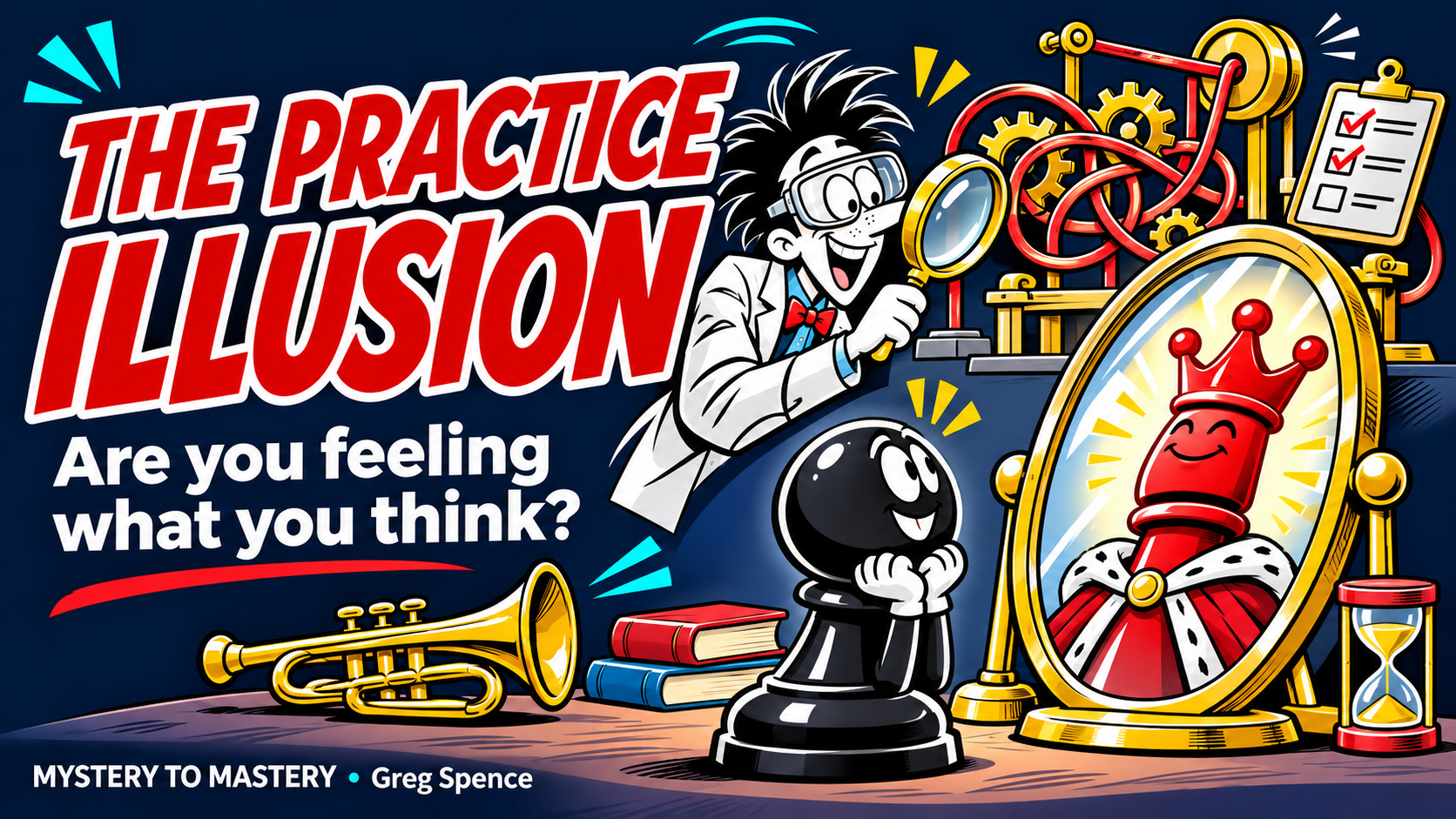
The Illusion of Competence in Trumpet Practice
Feeling certain that an exercise is correct does not always mean the process is working as intended. Greg Spence discusses the illusion of competence and the importance of checking what you actually do.
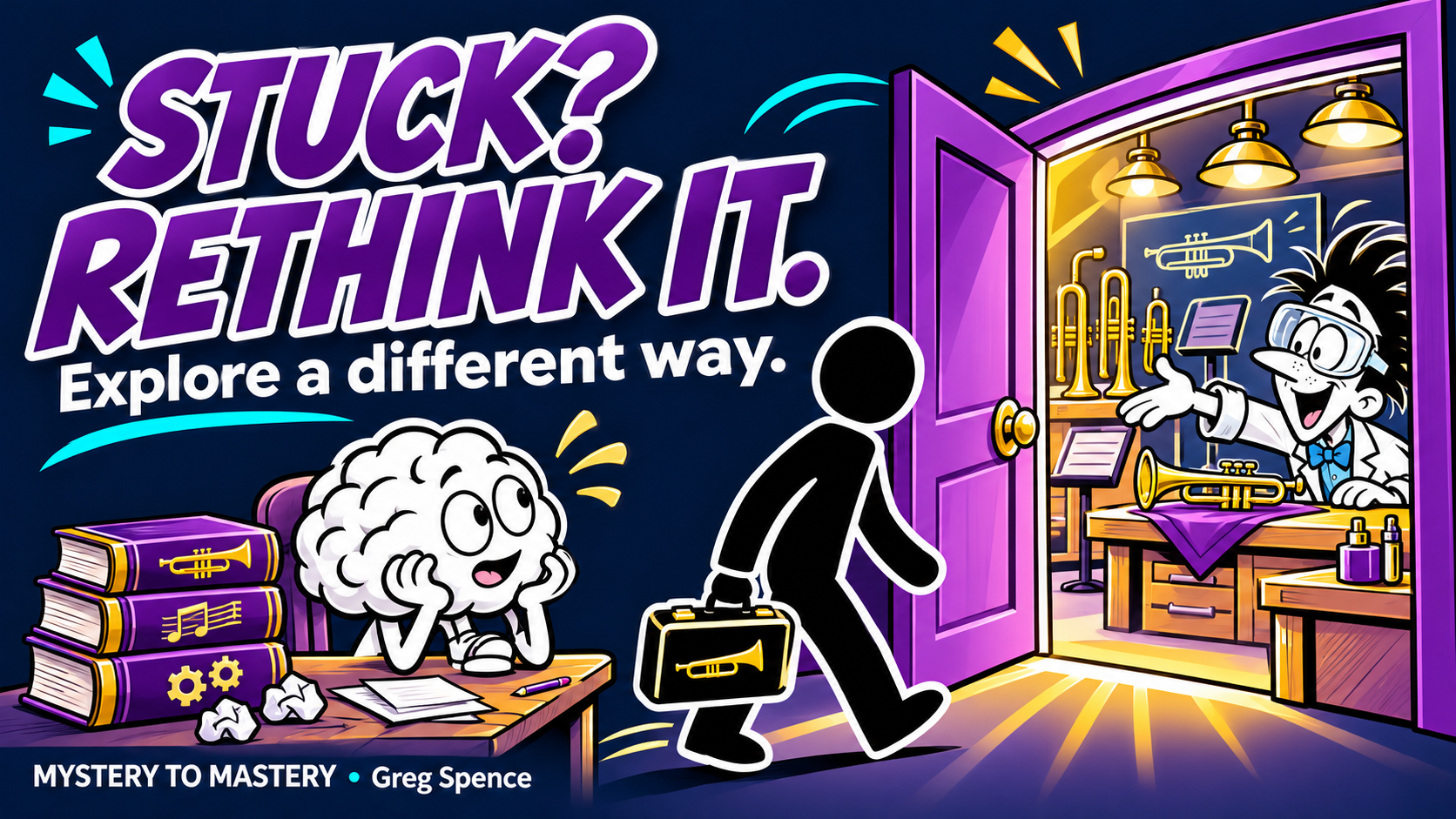
Frustrated With Trumpet Practice? Reconsider the Playing Process
Greg Spence shares how frustration led him to reconsider his approach to brass playing. This lesson explores the beliefs and familiar habits that can make trying something different difficult.

Changing Trumpet Habits: Give the Brain a New Option
Why can a useful change feel so unfamiliar? Greg Spence discusses the conflict between wanting different results and returning to an established playing habit.
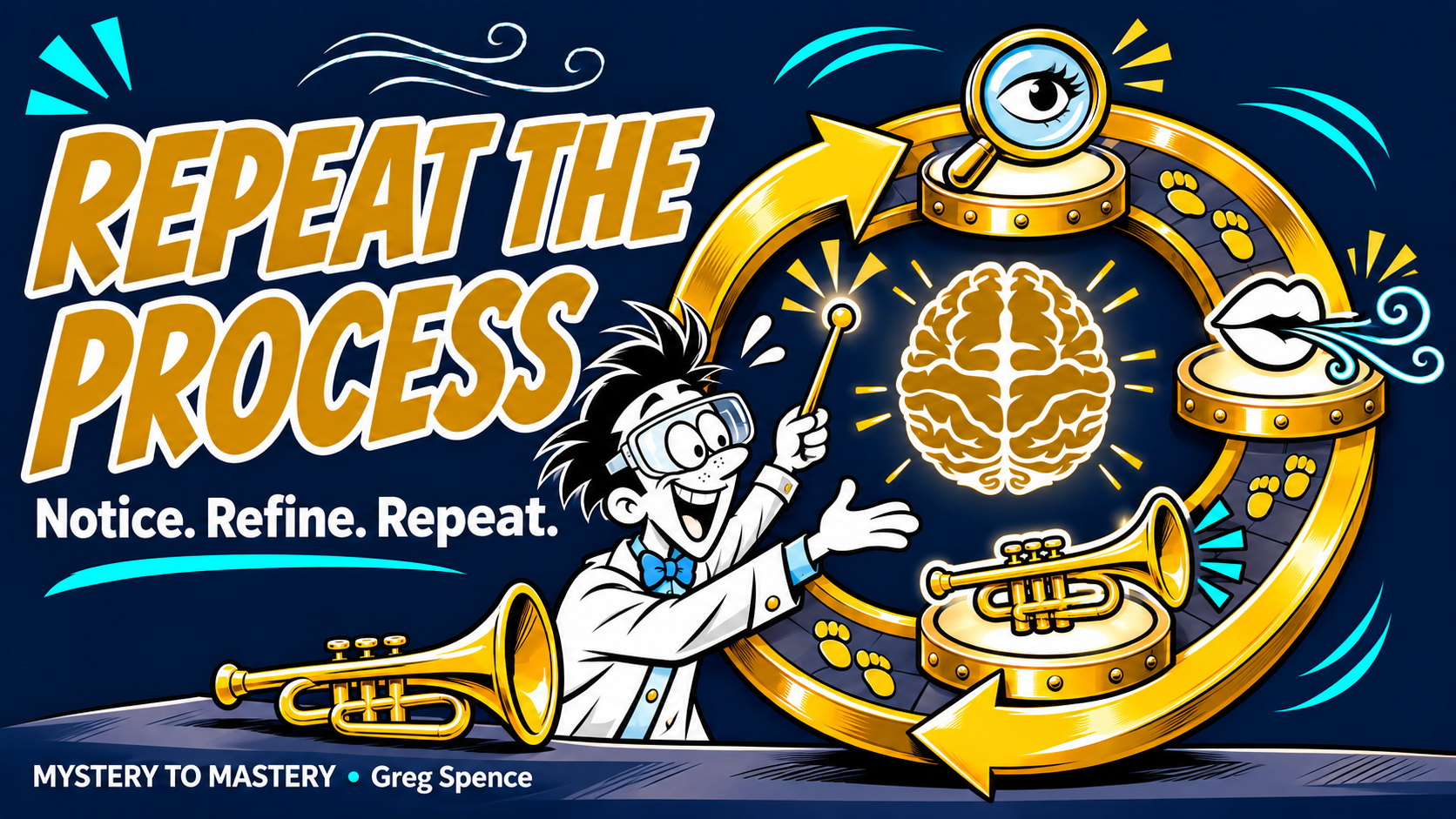
Consistent Trumpet Practice: Repeat the Process and Recognise Errors
Greg Spence discusses consistent practice and the importance of recognising what you are repeating. This lesson connects regular attention with the effort to identify and replace inefficient habits.

No Notes Practice: Discover the Feeling of Efficient Trumpet Playing
What can you learn by bringing the trumpet into position without producing a note? Greg Spence demonstrates no notes practice as a way to observe movement, breath release and unnecessary activation.
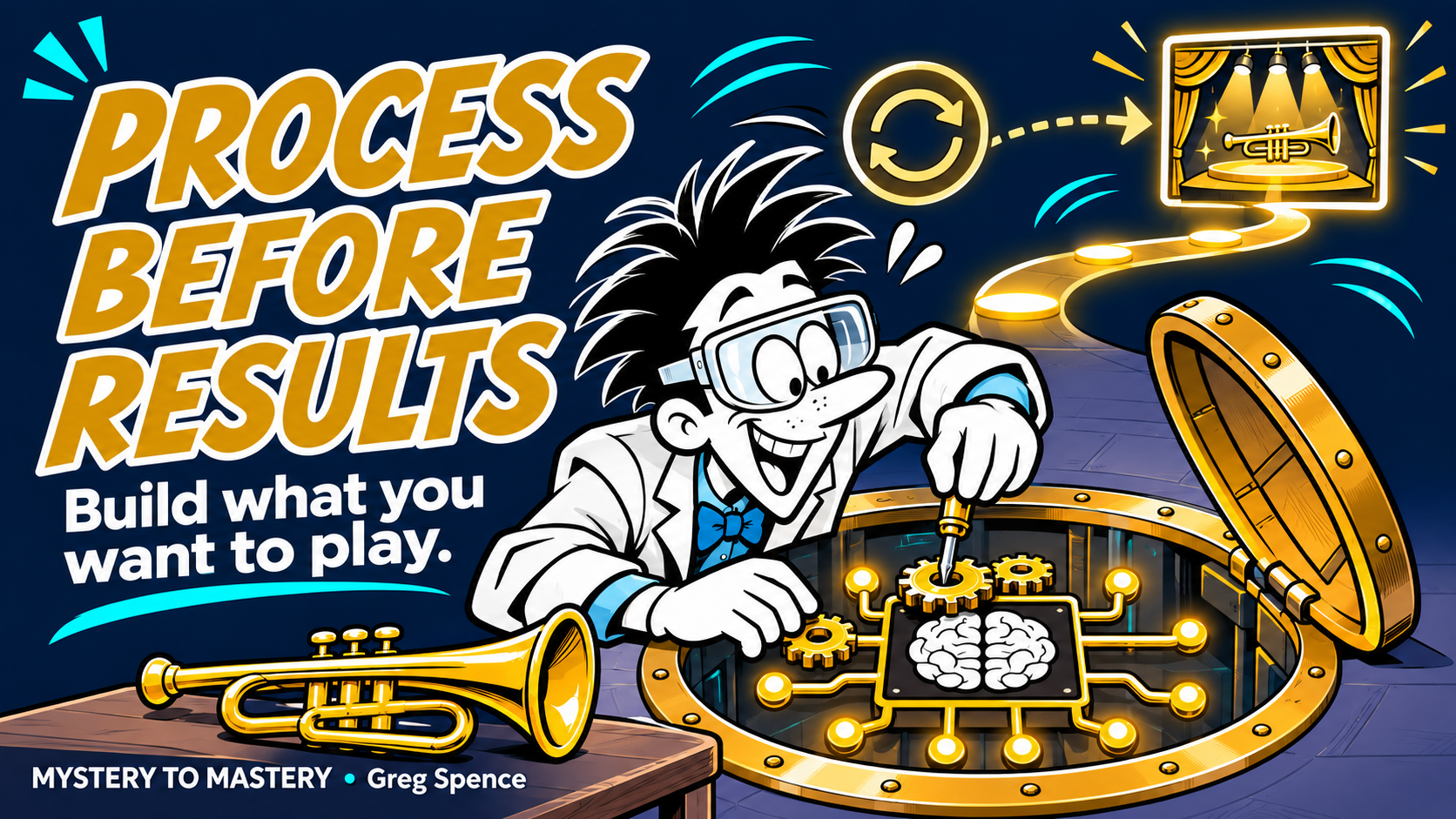
Process Versus Results: Build Better Trumpet Playing Habits
Greg Spence contrasts results driven playing with process driven learning. He explains why looking closely at the mechanics and sensations of playing can help you identify habits that simply repeating music may not change.

Ink-Itis: When Reading Music Disrupts Your Trumpet Technique
Greg Spence calls it Inkitis: the moment a chart appears and the efficient habits you have been practising disappear. This short lesson explores keeping the playing process steady under the demands of written music.
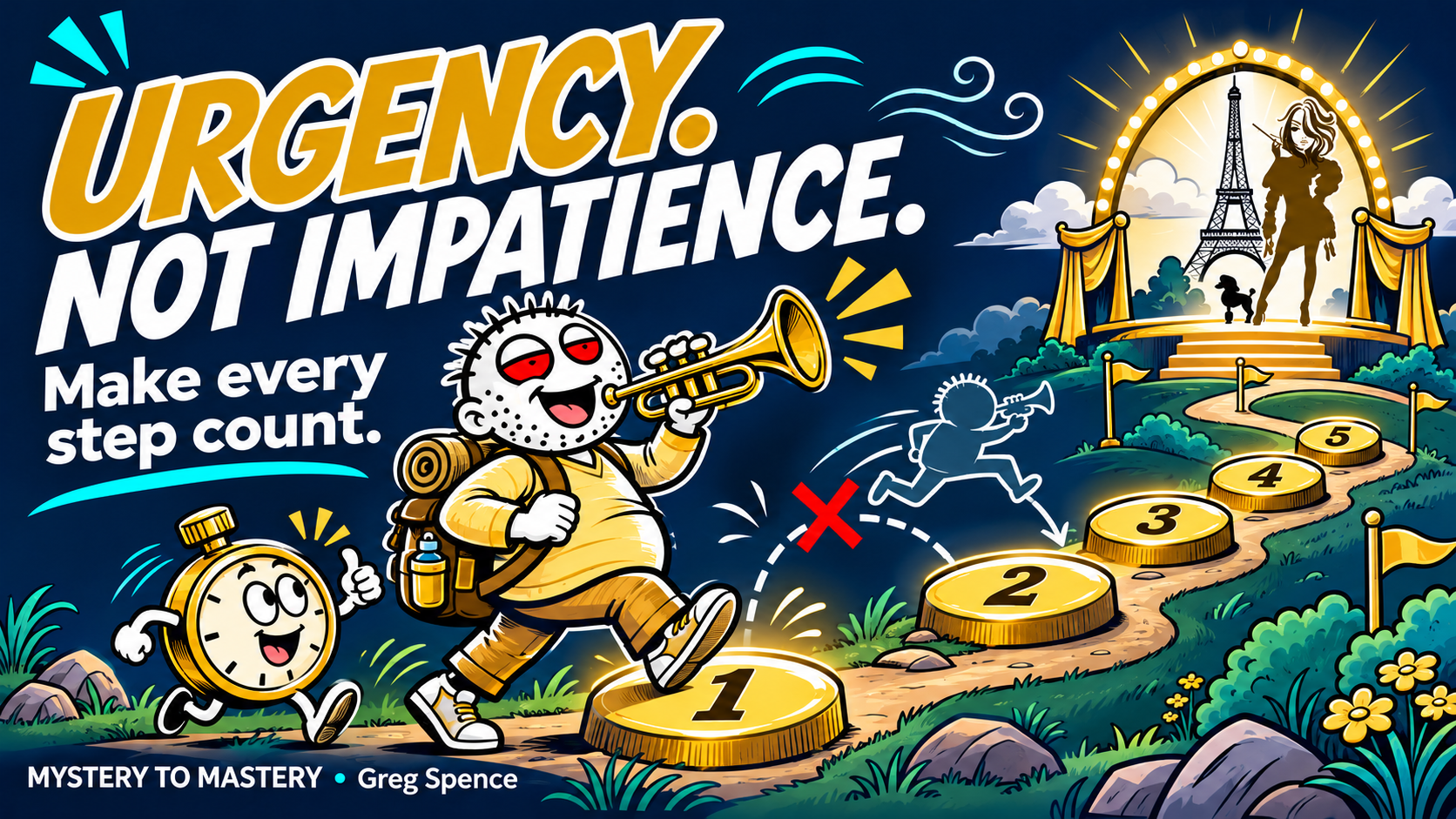
Get More From Trumpet Practice: Urgency Without Impatience
Want faster progress without skipping the important steps? Greg Spence contrasts urgency with impatience and discusses why rushing towards the result can reinforce the same playing problems.
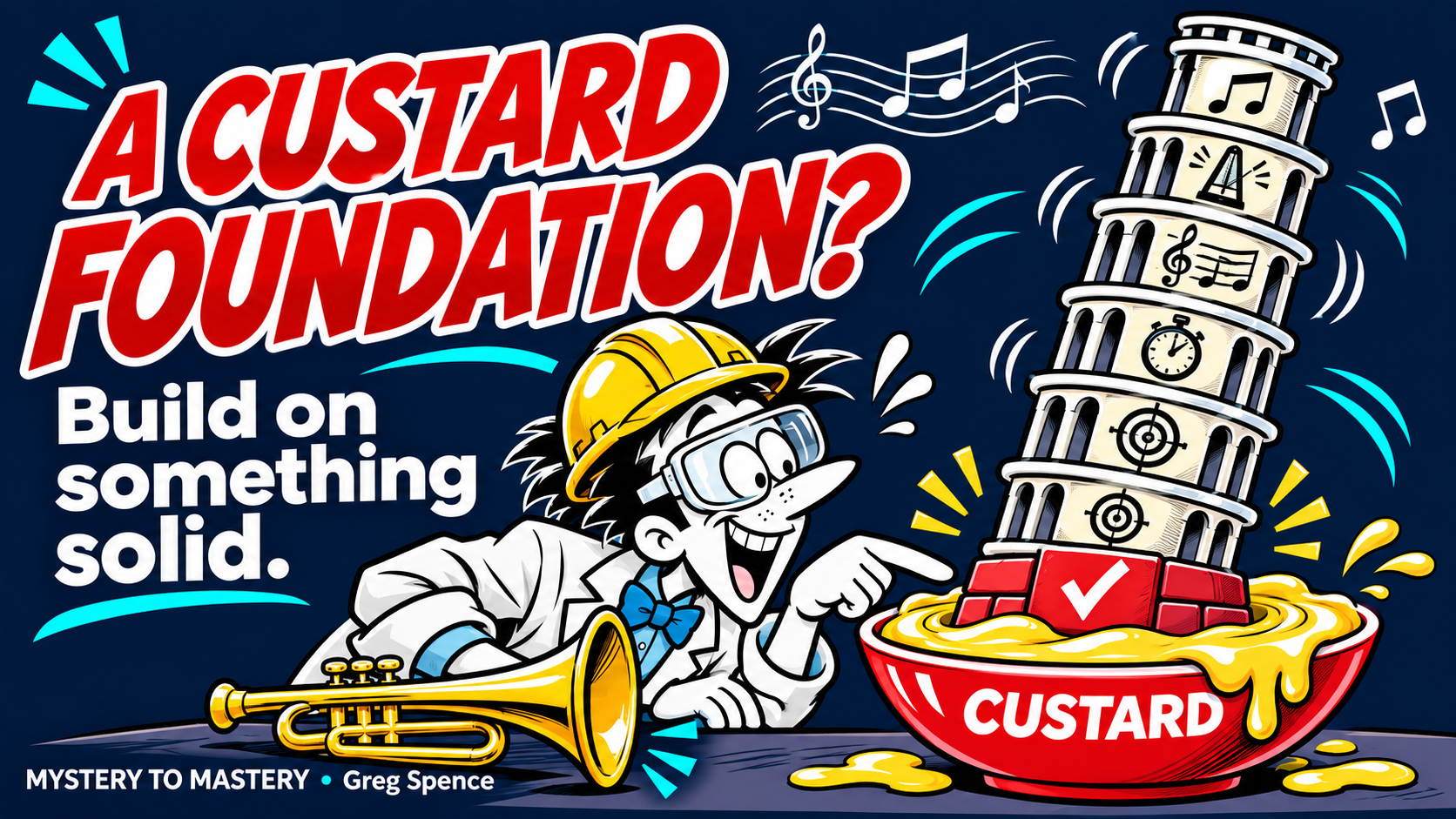
Build a Solid Trumpet Playing Foundation
Greg Spence uses the Custard Foundation analogy to explain why a clear understanding of the playing process matters. Before adding more demanding exercises, he encourages players to examine the habits supporting their sound.
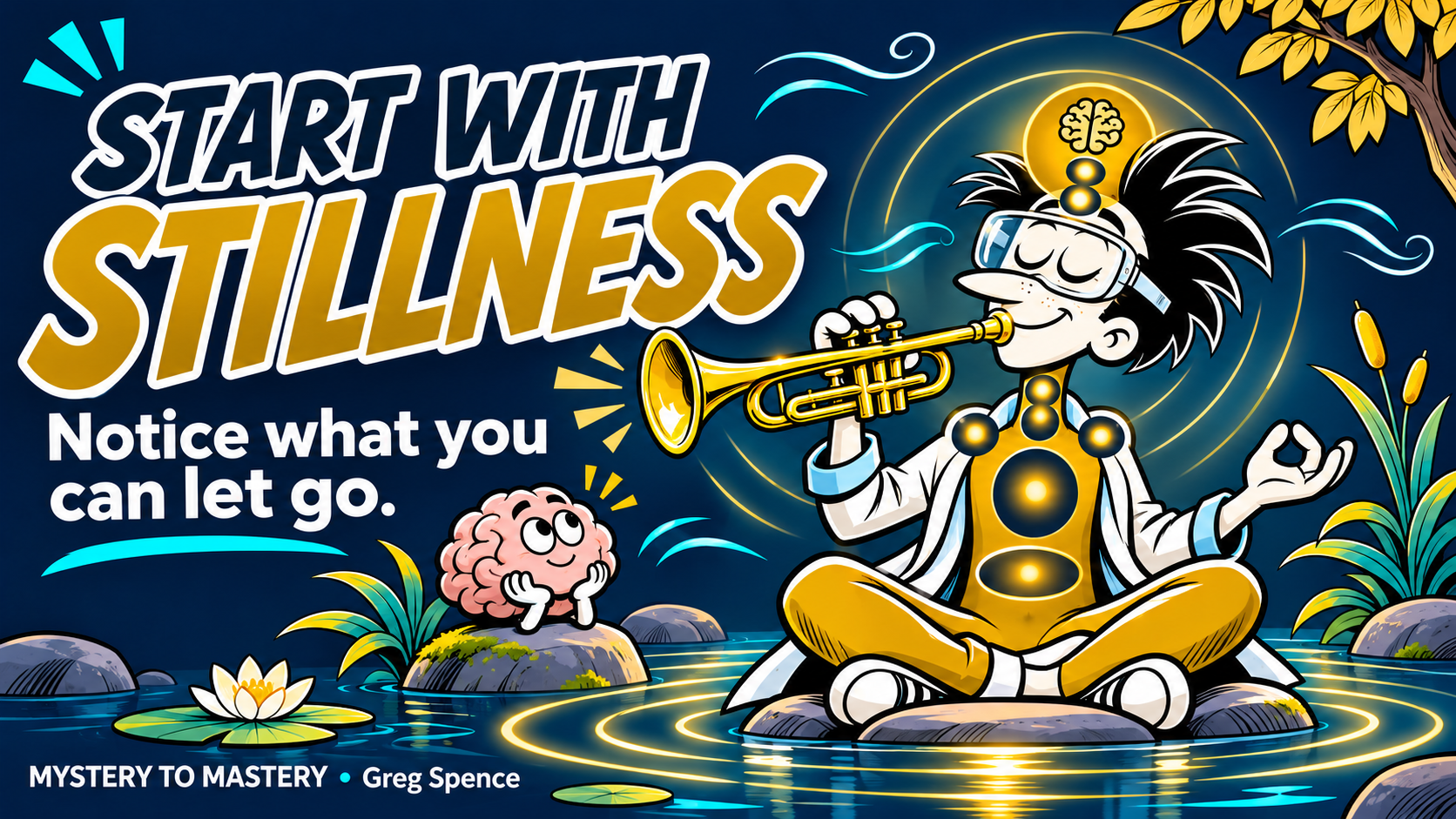
Stillness: Learn to Notice Unnecessary Effort
Stillness in WindWorks is more than sitting quietly. Greg Spence explains how a calm mind and attention to physical sensation can help you notice unnecessary muscle activation.