
Free Trumpet Lessons & Video Library

Explore free trumpet lessons with Greg Spence, founder of Mystery to Mastery and WindWorks Trumpet Academy. Discover practical explanations and demonstrations covering sound, range, endurance, efficient playing and the learning process. Use the topic filters below to find trumpet lessons for your current goal, whether you are working on breathing, tone, range or practice efficiency. New players can start with the Getting Started category for beginning trumpet lessons; experienced players can explore lessons on endurance, articulation and performance confidence.

New to WindWorks? Start here.
Free trumpet lessons video library: WindWorks Learning Loop feature

PRACTICE & LEARNING · 5 MINUTES

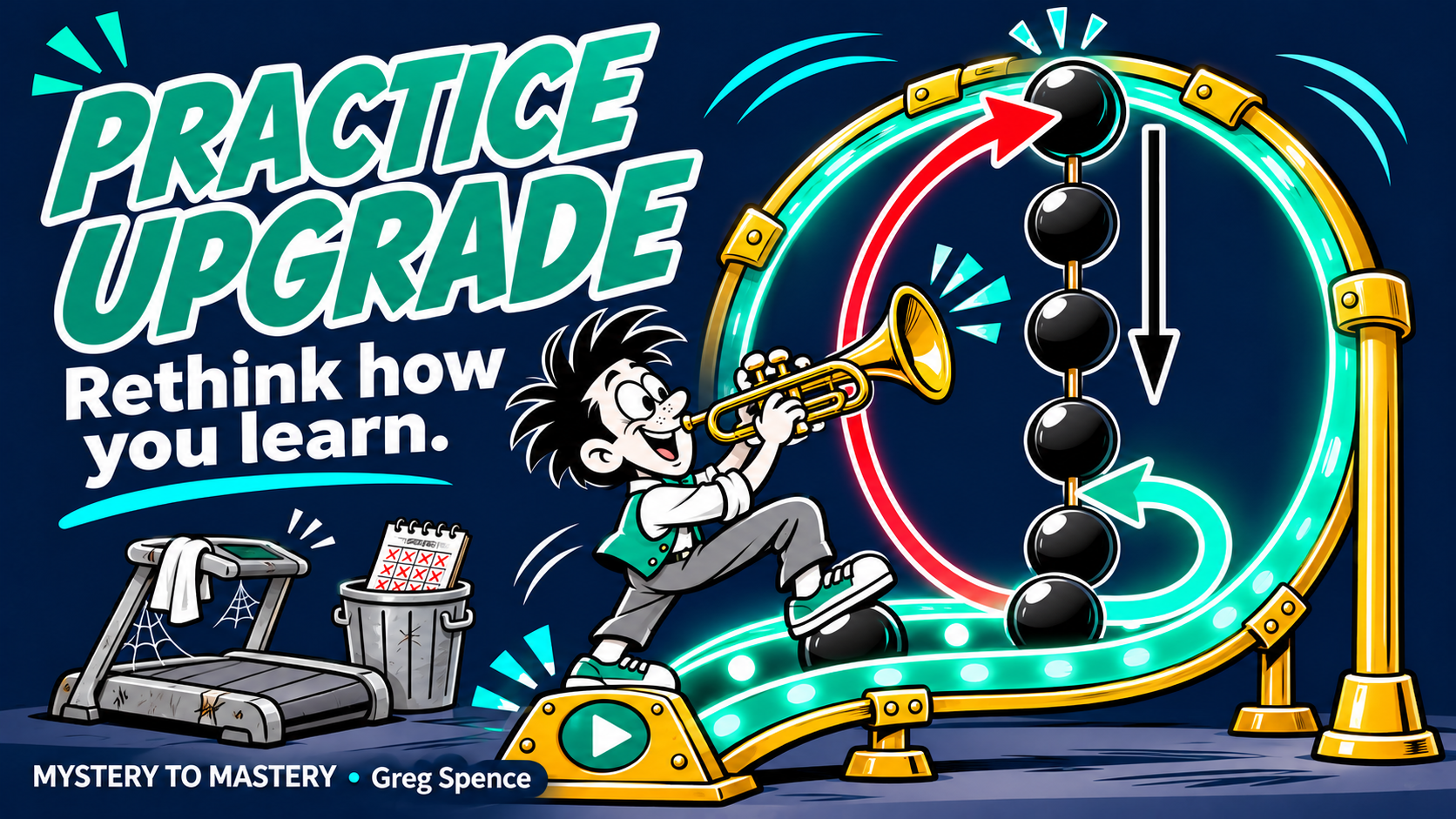
Why Your Trumpet Practice Is Outdated

Explore playing efficiency, familiar habits and a different approach to learning with Greg Spence, alongside footage from Eastman ITG 2026.

Watch the lesson →

For more free trumpet lessons, visit the Mystery to Mastery YouTube channel for additional playing demonstrations and explanations.

How to use these free trumpet lessons

Use the search or topic buttons to find free trumpet lessons on breathing, range, sound, endurance, articulation and practice. Start with a goal that matters to your playing today.

If you are not sure where to begin, choose one of these free trumpet lessons, watch the demonstration, and note one idea to try before moving to the next video. These free trumpet lessons are short introductions; WindWorks offers a guided path through the ideas with 7-day free lesson access.

If a search returns nothing, broaden your term to a topic such as breathing, tone or range. The video library grows as new free trumpet lessons are added.
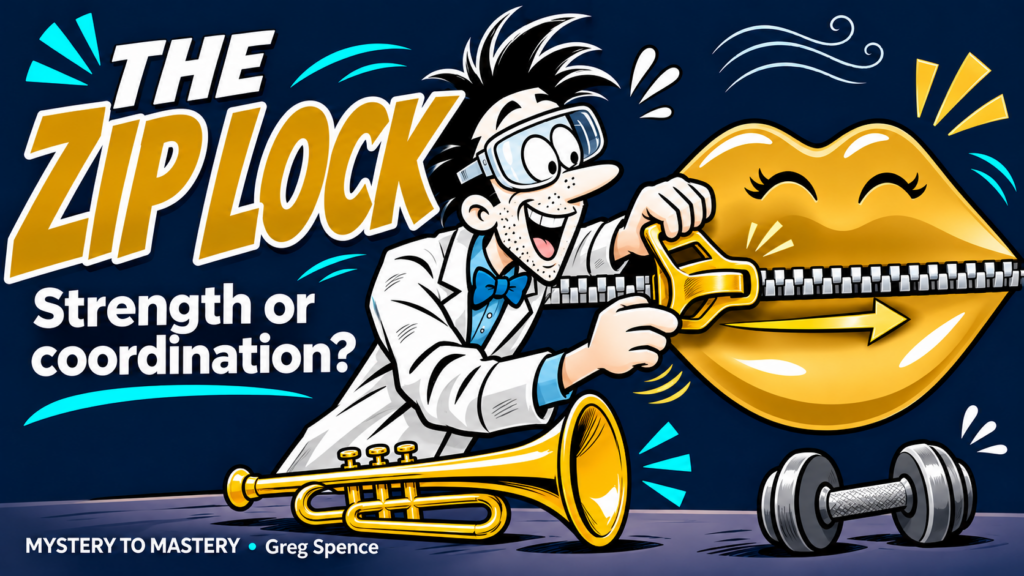
Greg Spence introduces the Zip Lock exercise and distinguishes lip strength from coordination and endurance. The demonstration explores how the Air Lock and Lip Zip concepts fit together.
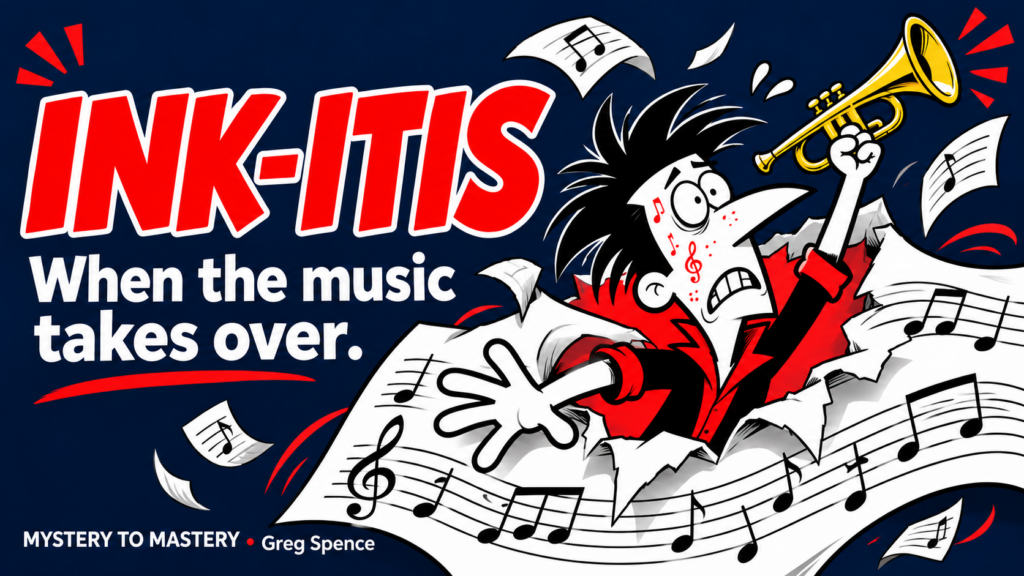
Greg Spence calls it Inkitis: the moment a chart appears and the efficient habits you have been practising disappear. This short lesson explores keeping the playing process steady under the demands of written music.
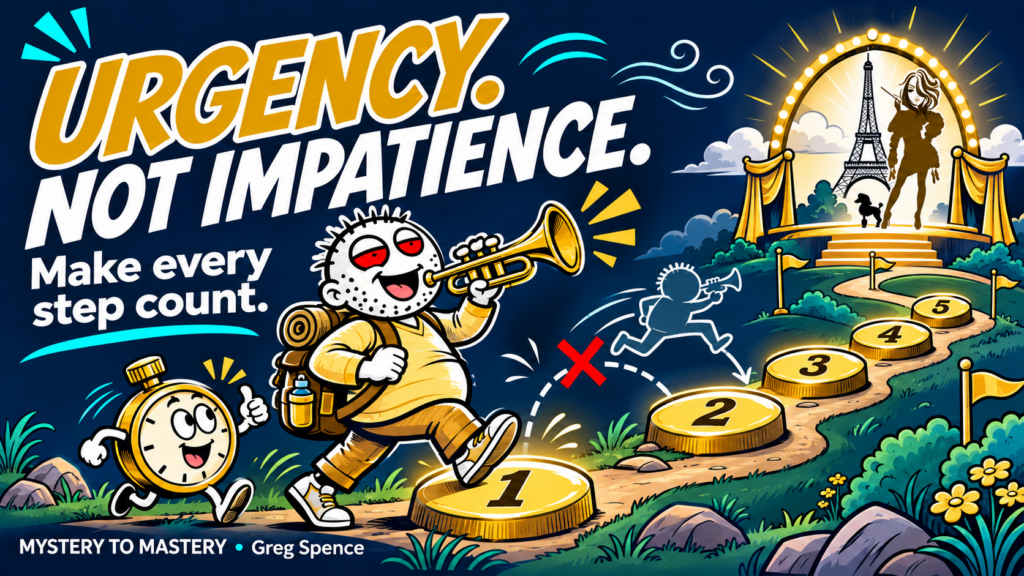
Want faster progress without skipping the important steps? Greg Spence contrasts urgency with impatience and discusses why rushing towards the result can reinforce the same playing problems.
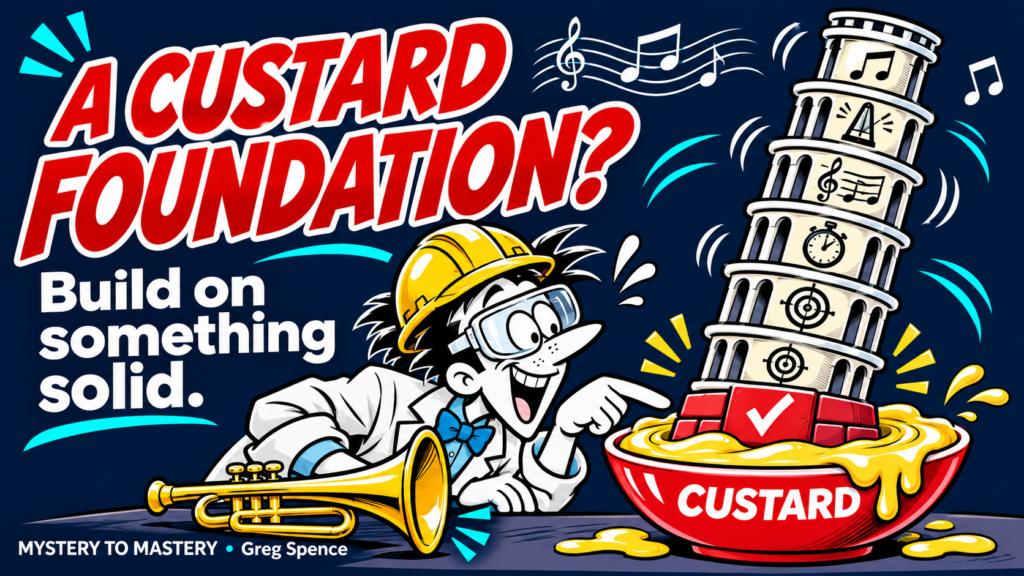
Greg Spence uses the Custard Foundation analogy to explain why a clear understanding of the playing process matters. Before adding more demanding exercises, he encourages players to examine the habits supporting their sound.
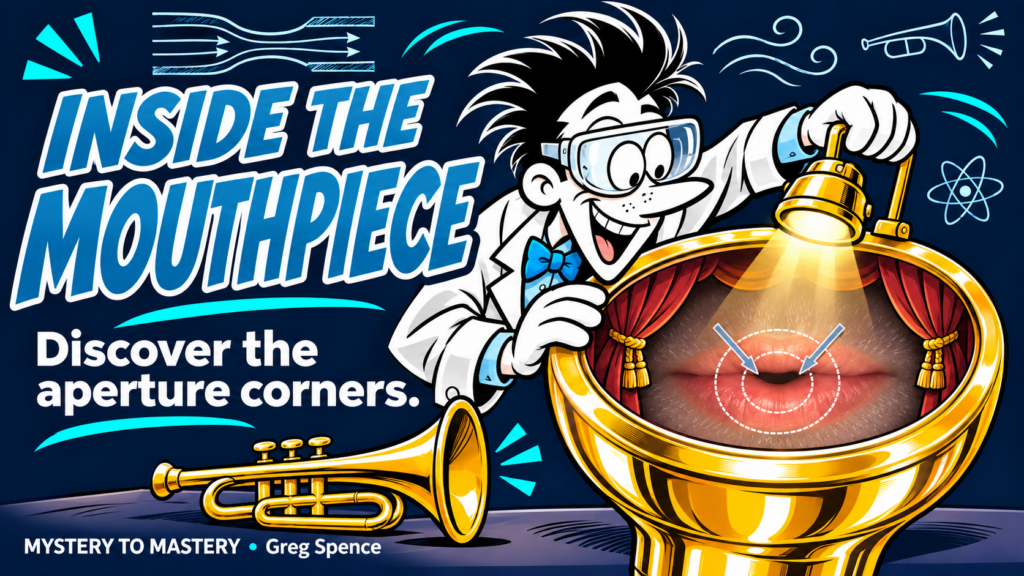
Greg Spence introduces the aperture corners and explains why smiling, stretching and forcing can make playing feel harder. This short video focuses on what happens inside the mouthpiece cup.
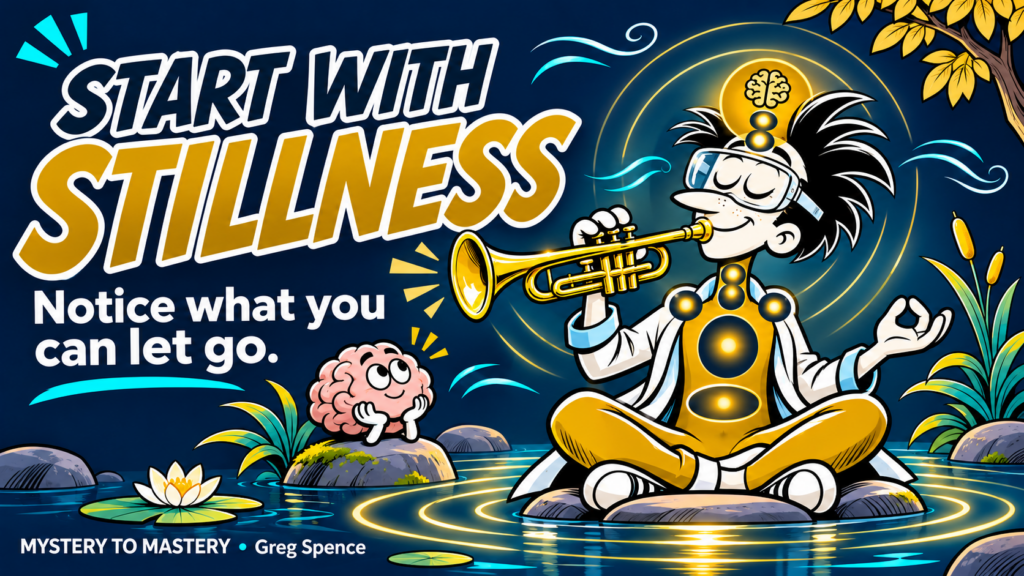
Stillness in WindWorks is more than sitting quietly. Greg Spence explains how a calm mind and attention to physical sensation can help you notice unnecessary muscle activation.
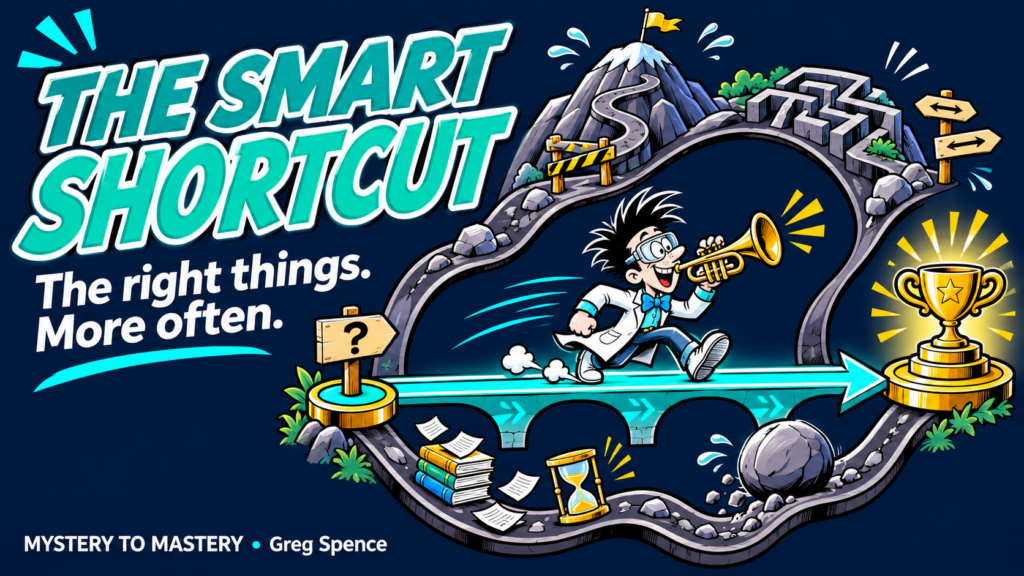
Greg Spence explains his idea of a shortcut: recognising inefficient habits and repeating a more useful process. This lesson looks at the journey from your current playing to the player you want to become.
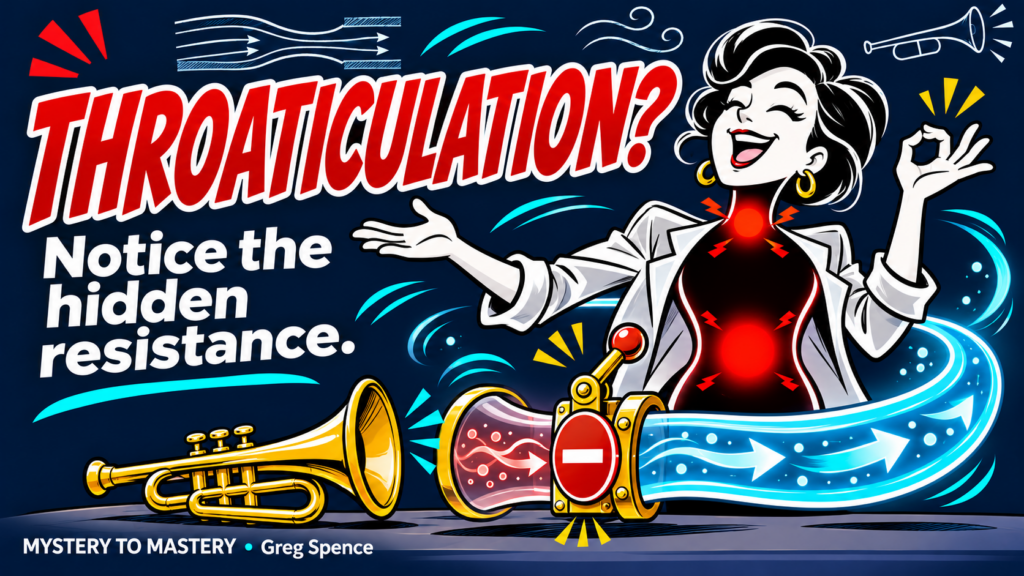
Greg Spence discusses the throat clicking or closing sensation he calls throaticulation. This short lesson considers unnecessary resistance and the instinct to force the sound.
Greg Spence explains why the feeling of playing matters alongside exercises and method books. This short lesson introduces sensation as a way to recognise unnecessary effort and build a more efficient foundation.
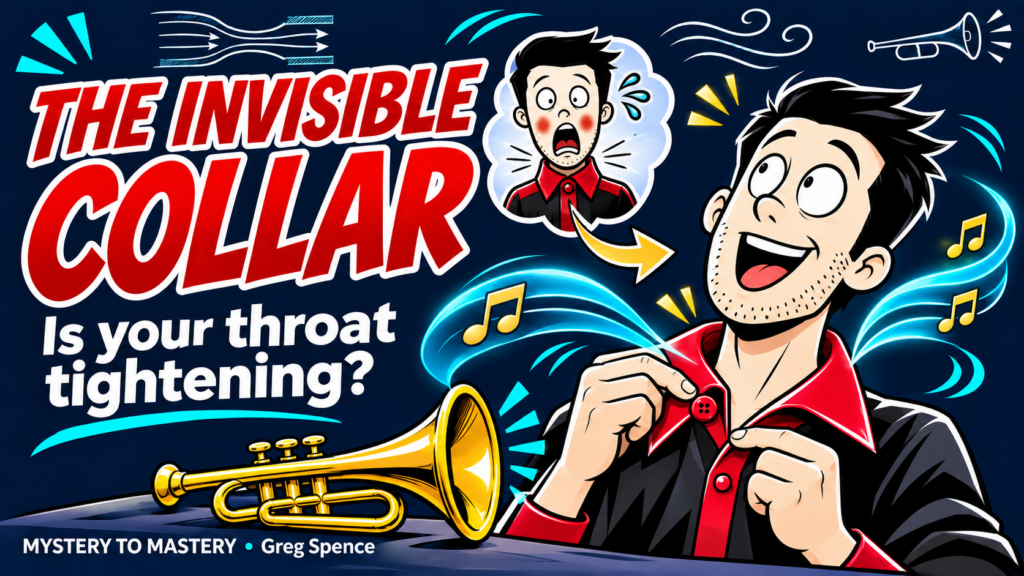
Does your throat tighten as you move into the upper register? Greg Spence explores the “collar” sensation and how unnecessary effort can interfere with an open, resonant sound.
Greg Spence introduces the Body’s Concert Hall concept and explores the feeling of releasing air without unnecessary pushing. This lesson connects sound production, preparation and the recognition of overblowing.
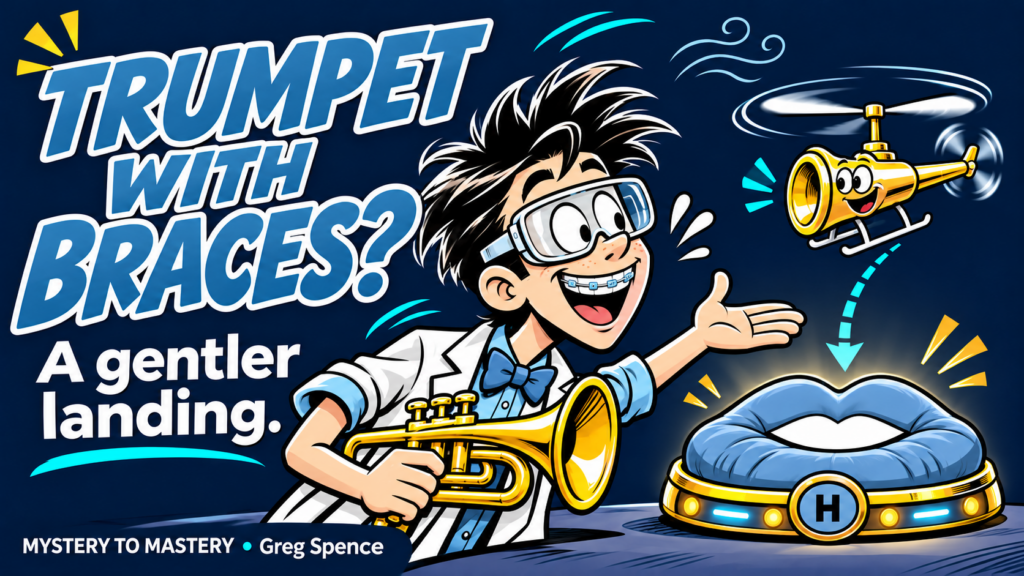
Can you keep playing trumpet with braces? Greg Spence discusses mouthpiece pressure, cushioning and the transition both when braces go on and when they come off.